
Article
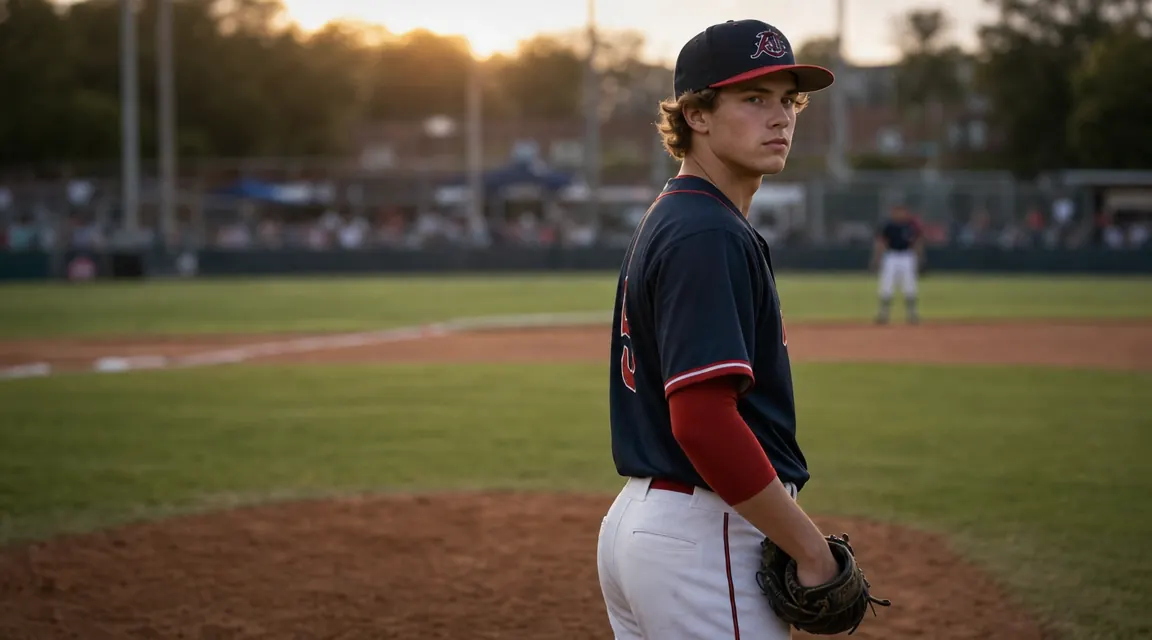
EvoShield Arm Sleeve Review: Six Months of Watching My Son Pitch in One
After six months of tracking soreness, recovery time, and warmth retention on my 17-year-old pitcher, here is what I actually found.
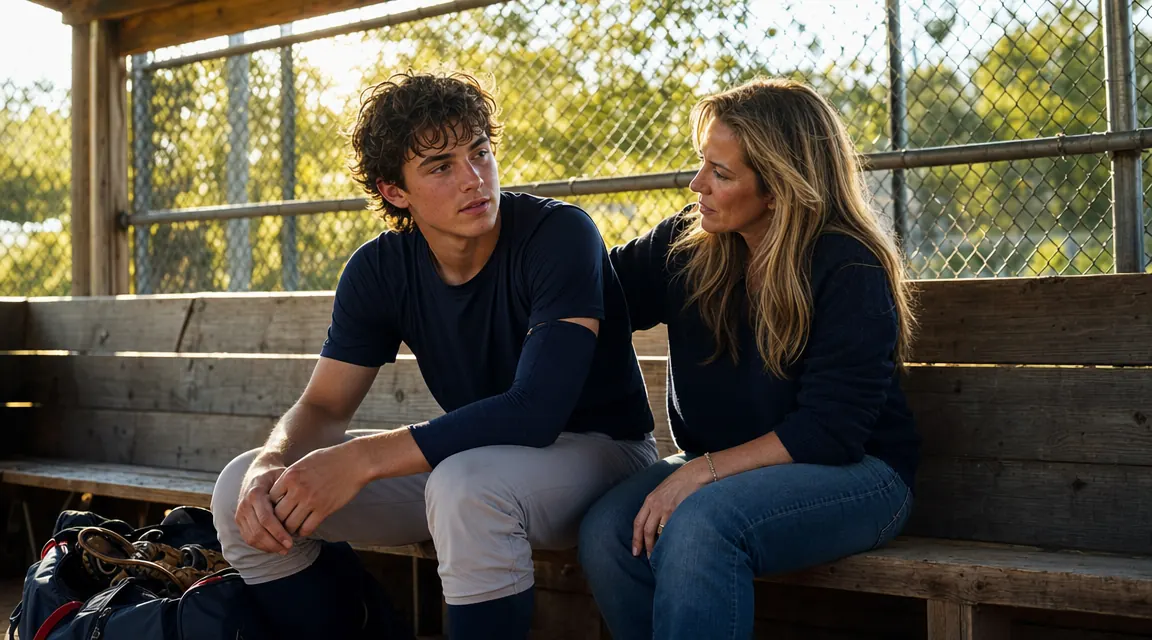
After my son's MRI showed early UCL stress, the surgeon gave us one non-negotiable homework assignment. Here is the specific band routine he handed us and what happened over the next six months.
After six months of tracking soreness, recovery time, and warmth retention on my 17-year-old pitcher, here is what I actually found.
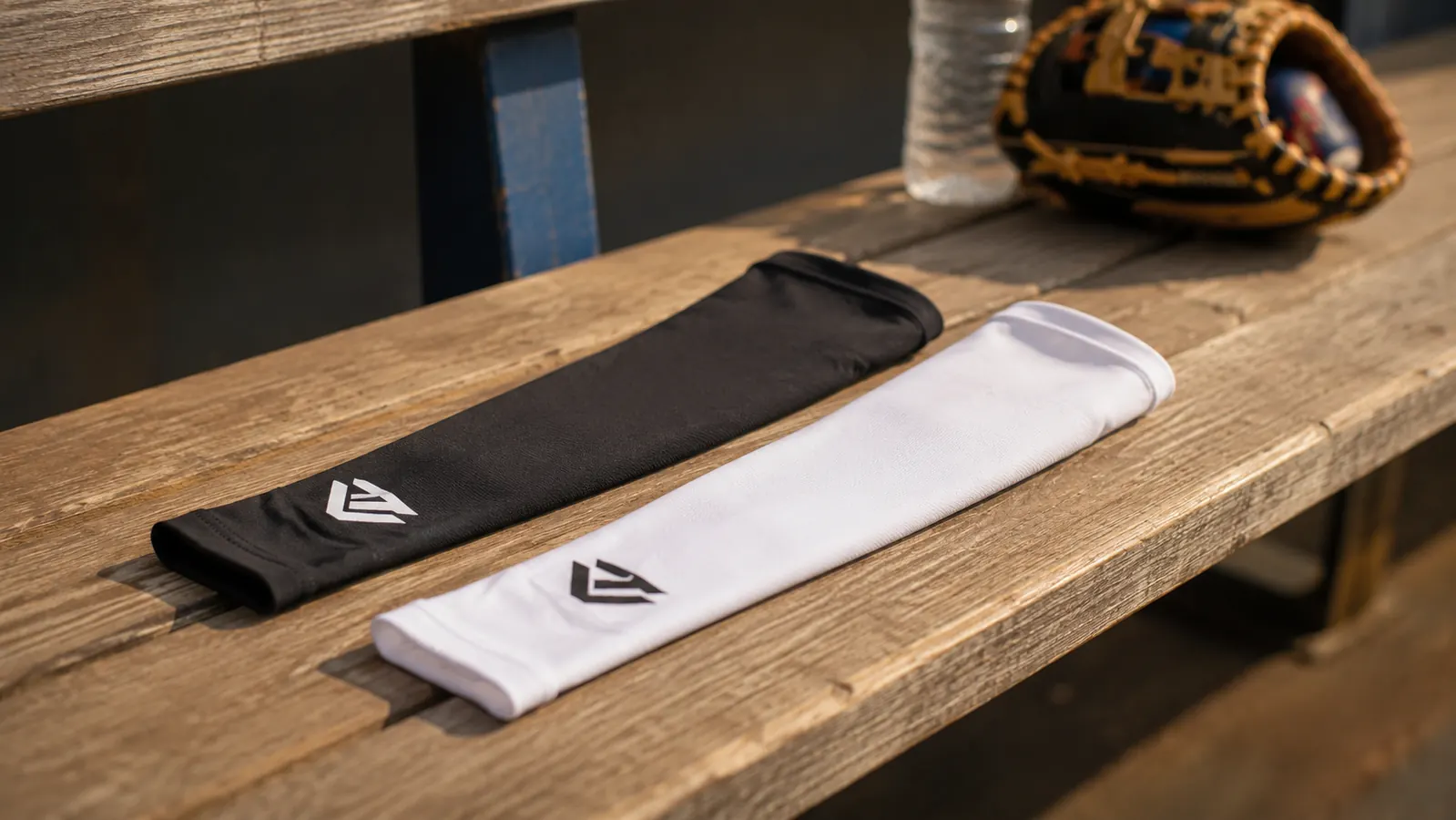
Both get recommended on pitching forums and in dugout conversations. After six months of testing the EvoShield on my son and studying the McDavid's clinical compression profile, I can tell you they are not doing the same job.
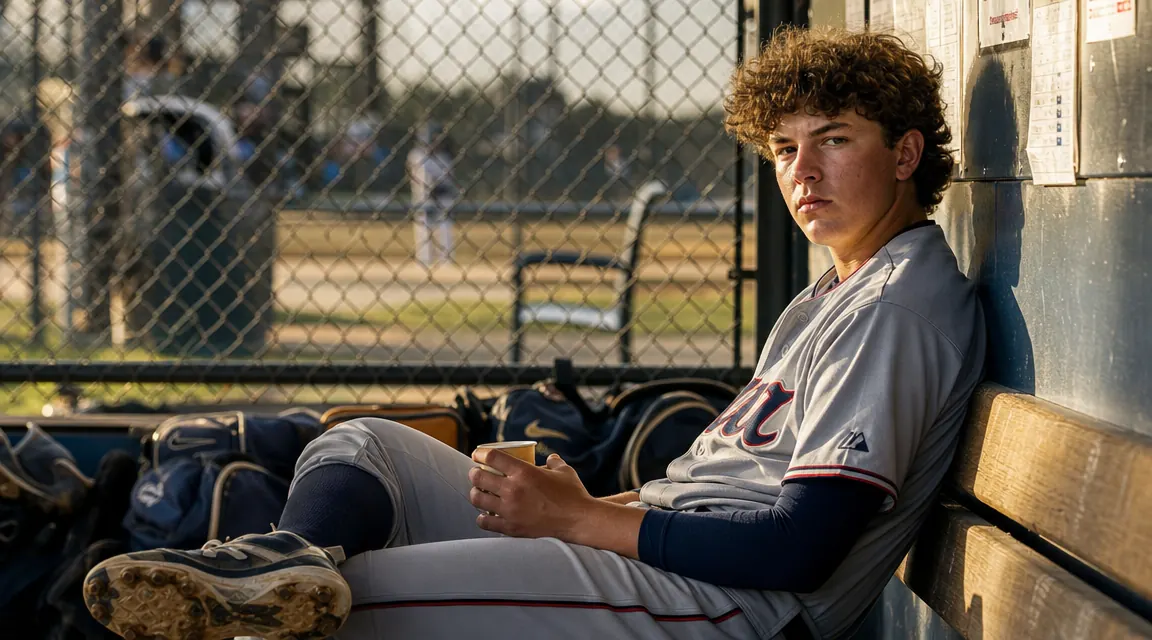
From keeping muscles warm during bench time to speeding post-outing recovery, here are ten science-backed reasons parents of young pitchers keep a compression sleeve in the bag.
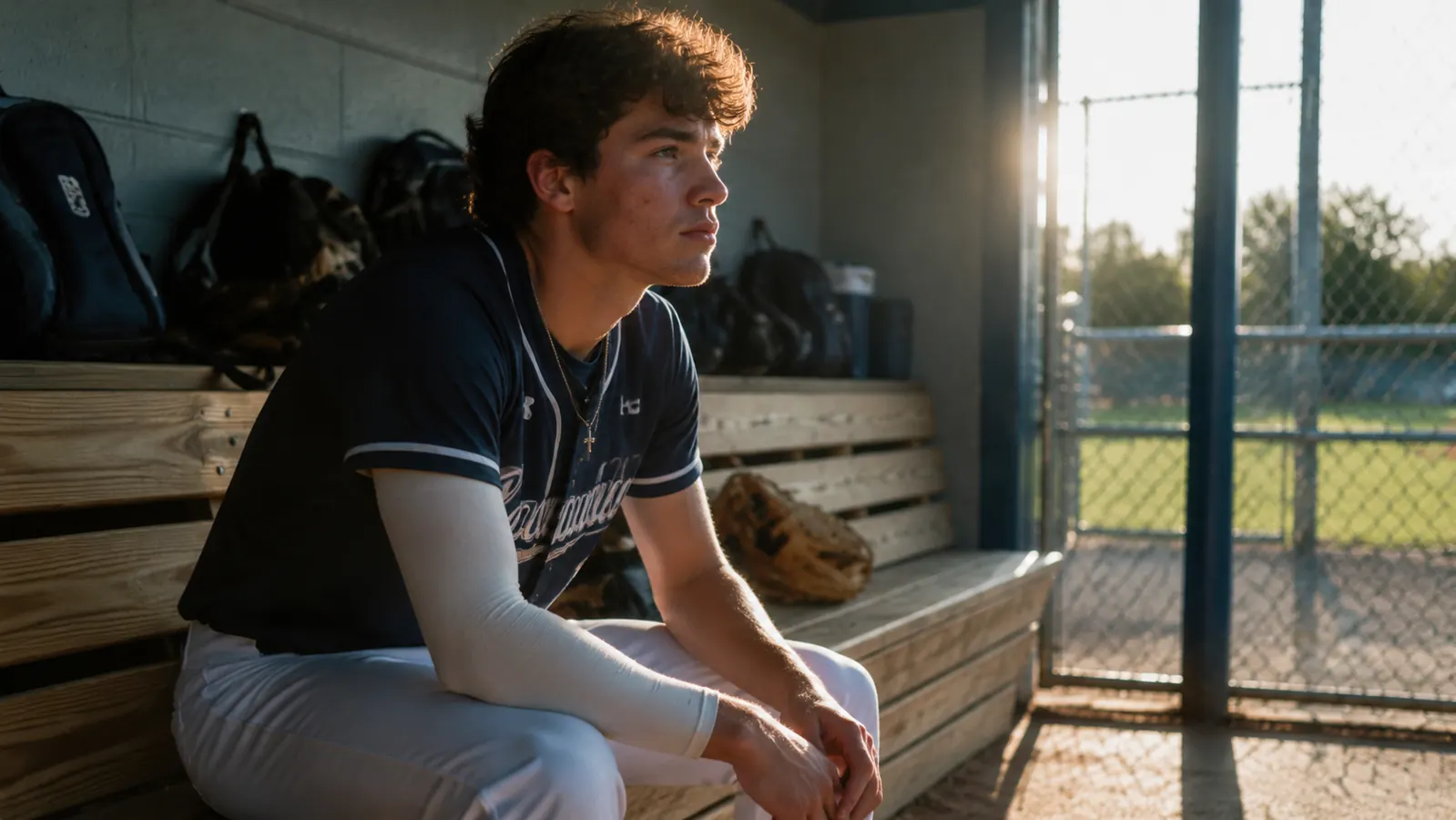
After watching my 17-year-old pitcher ice his elbow after every outing, I tried something simple. A nurse mom's honest story about what changed.
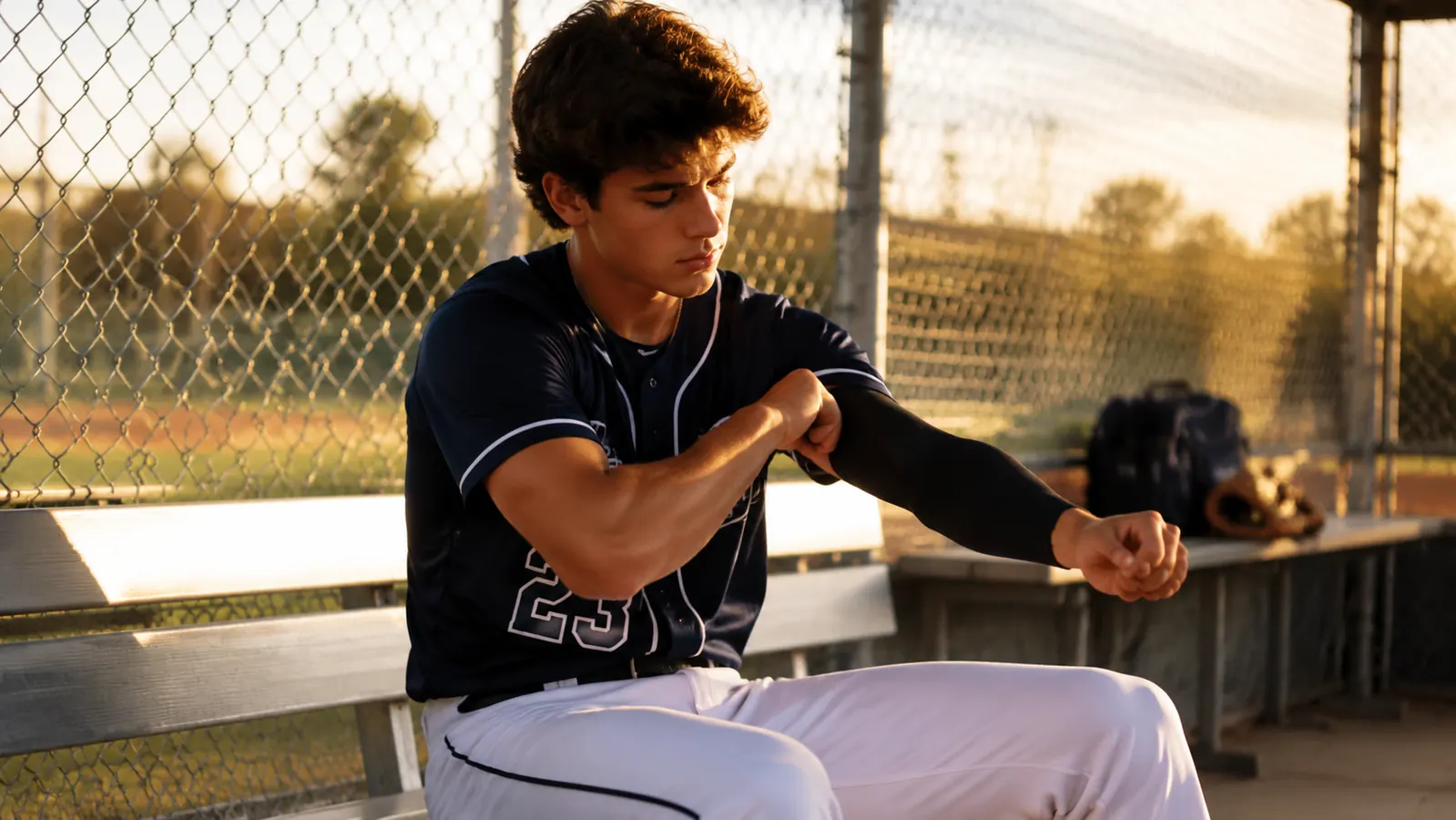
A five-step pre-game protocol, built around the evidence on muscle temperature and UCL load, that parents and pitchers can repeat every single game day.
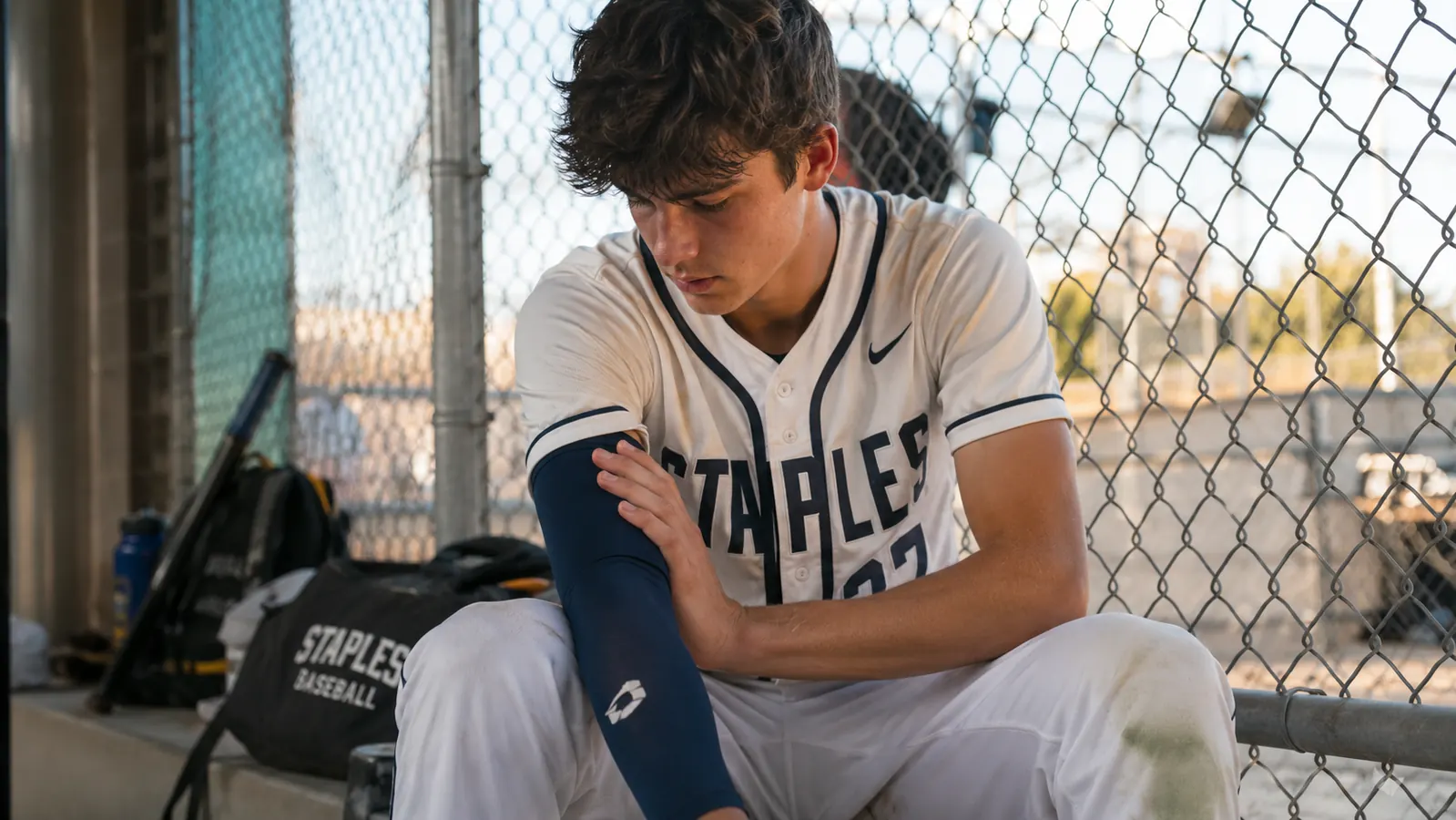
The EvoShield compression sleeve gets solid reviews, but there are things you only discover after the first wash cycle, the first cold morning game, and the first time your kid insists on sizing up.
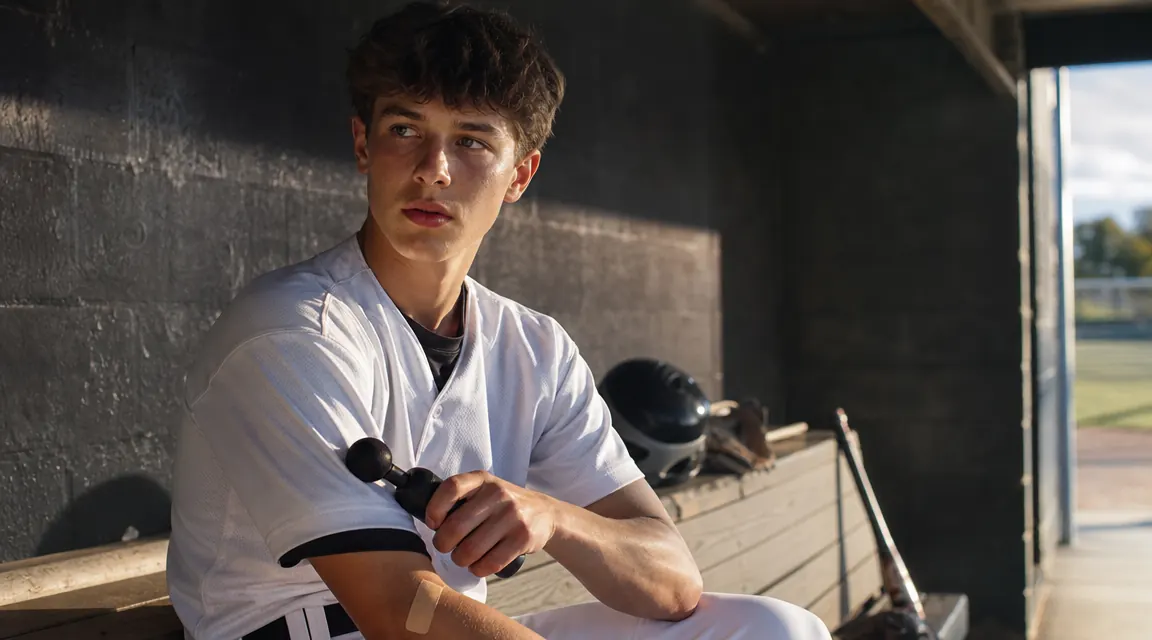
My son Marcus pitches four to five days a week during travel ball season. After six months of consistent percussive therapy on his forearm and shoulder, here is the honest data from a nurse who kept notes.
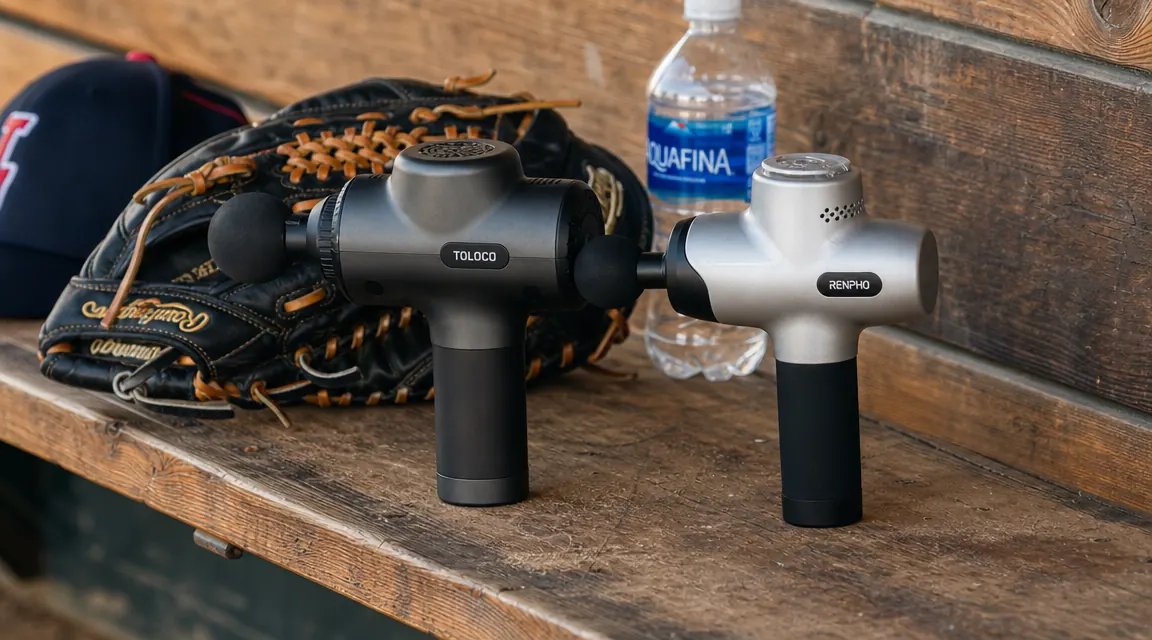
A nurse mom who has used both on her teen pitcher's arm breaks down stall force, noise, portability, and what actually matters post-outing.
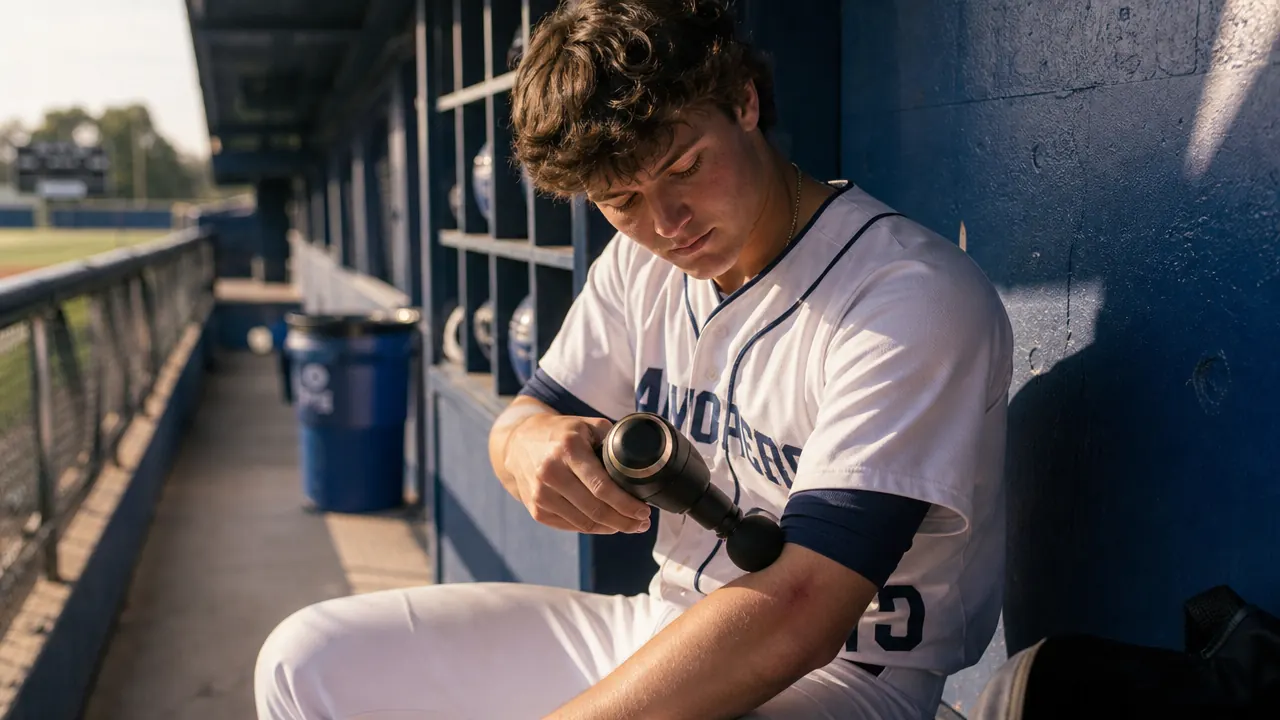
From flushing lactic acid out of the forearm flexors to improving next-day range of motion, here is the evidence behind why a percussion massager earns its spot alongside the ice wrap and J-Bands.
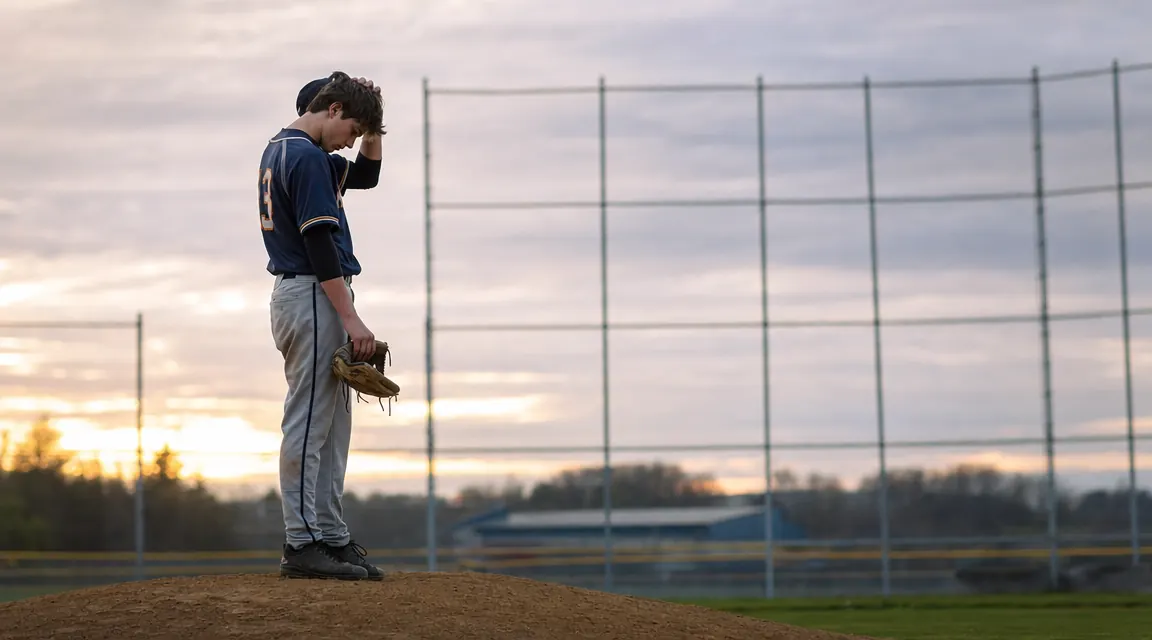
By May of travel ball season, Caleb's fastball was sitting three miles per hour below where it had opened in March. He was not hurt. He was under-recovered. Here is what we did about it.
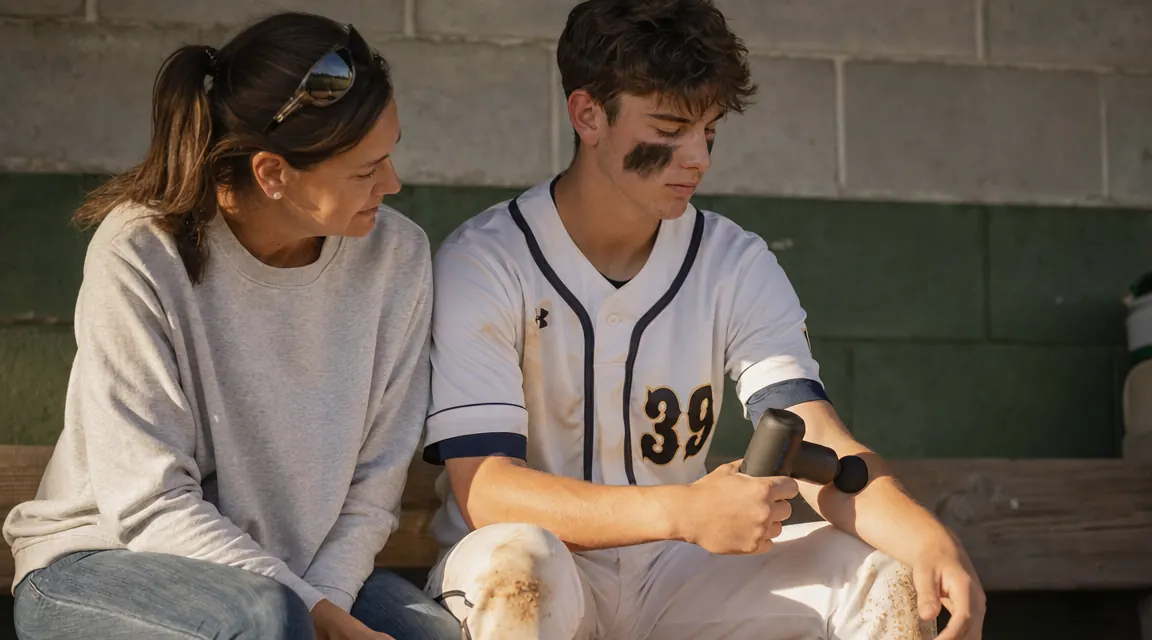
A step-by-step post-outing protocol using a mini percussion massage gun: which muscles to target, how long, what pressure, and when to stop if something hurts.
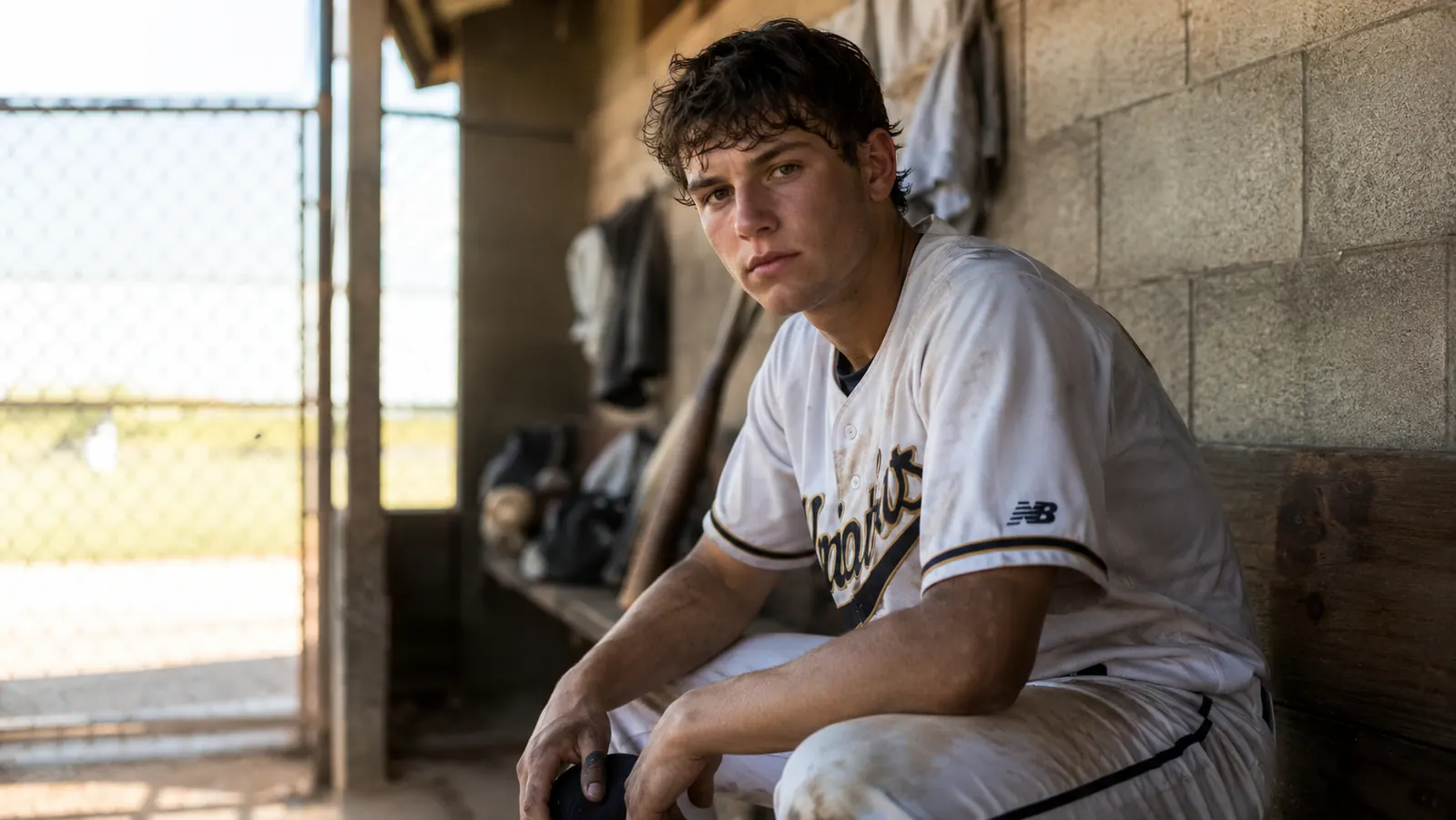
The Q2 has nearly 15,000 five-star reviews. It also has a handful of usage rules that, if you skip them, can make a young pitcher's forearm soreness meaningfully worse. I found out the hard way.
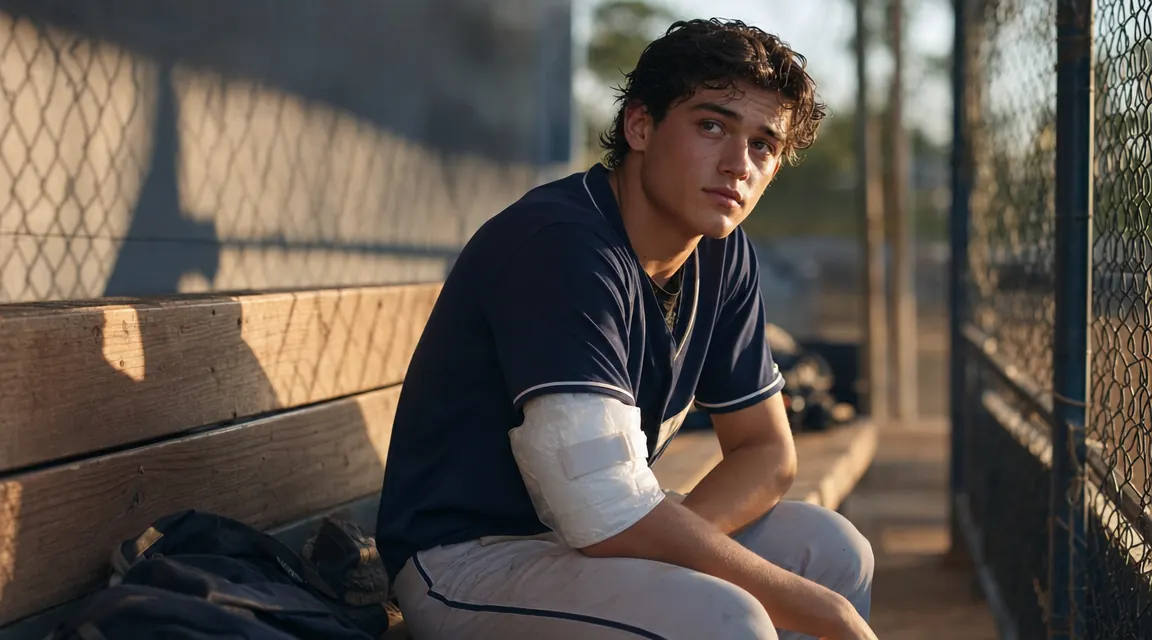
My son Marcus pitched in 22 games this season. He iced after every single one. Here is what six months of data actually shows about swelling, recovery time, and fit.
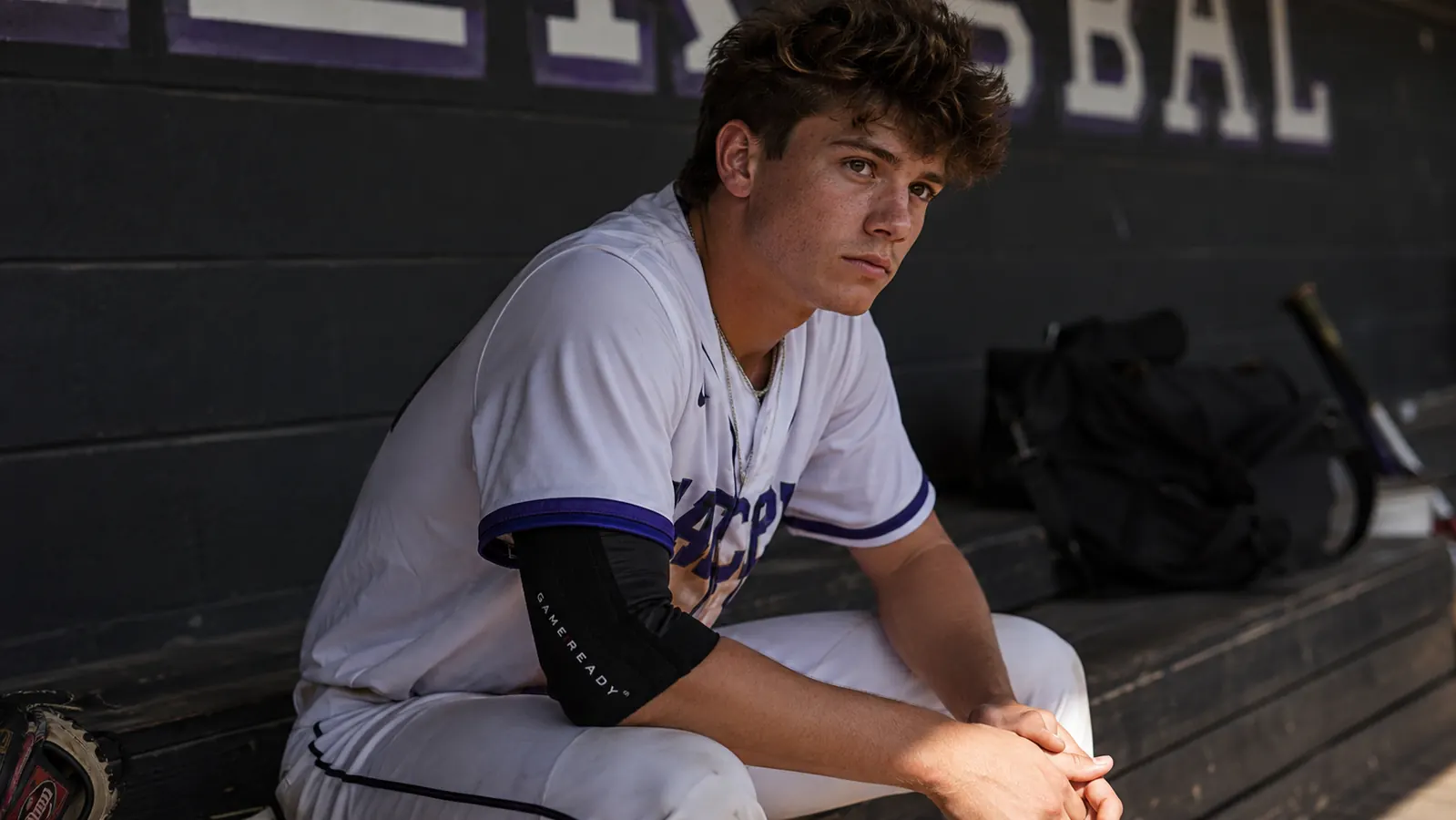
Most parents grab whatever is in the cooler. I did too, until I learned that how you apply cold to a pitcher's elbow matters almost as much as whether you do it at all.
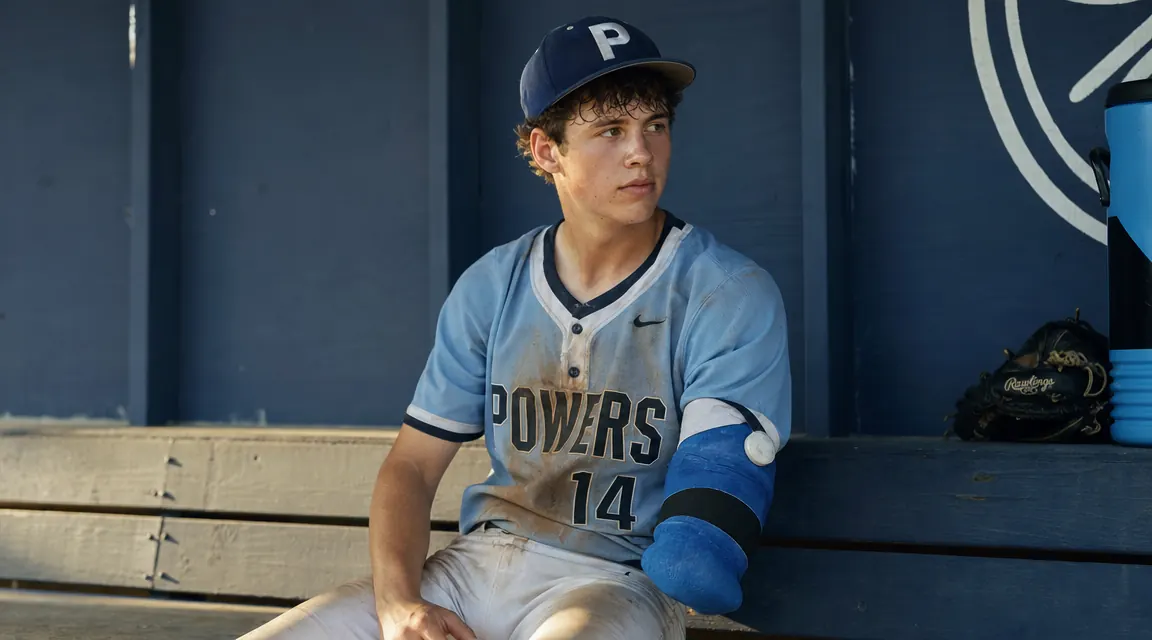
Parents have been pressing frozen vegetable bags against pitching elbows for decades. The research on cold therapy has moved on. Here is why a fitted compression cold wrap does the job more safely and more effectively for teen pitchers.
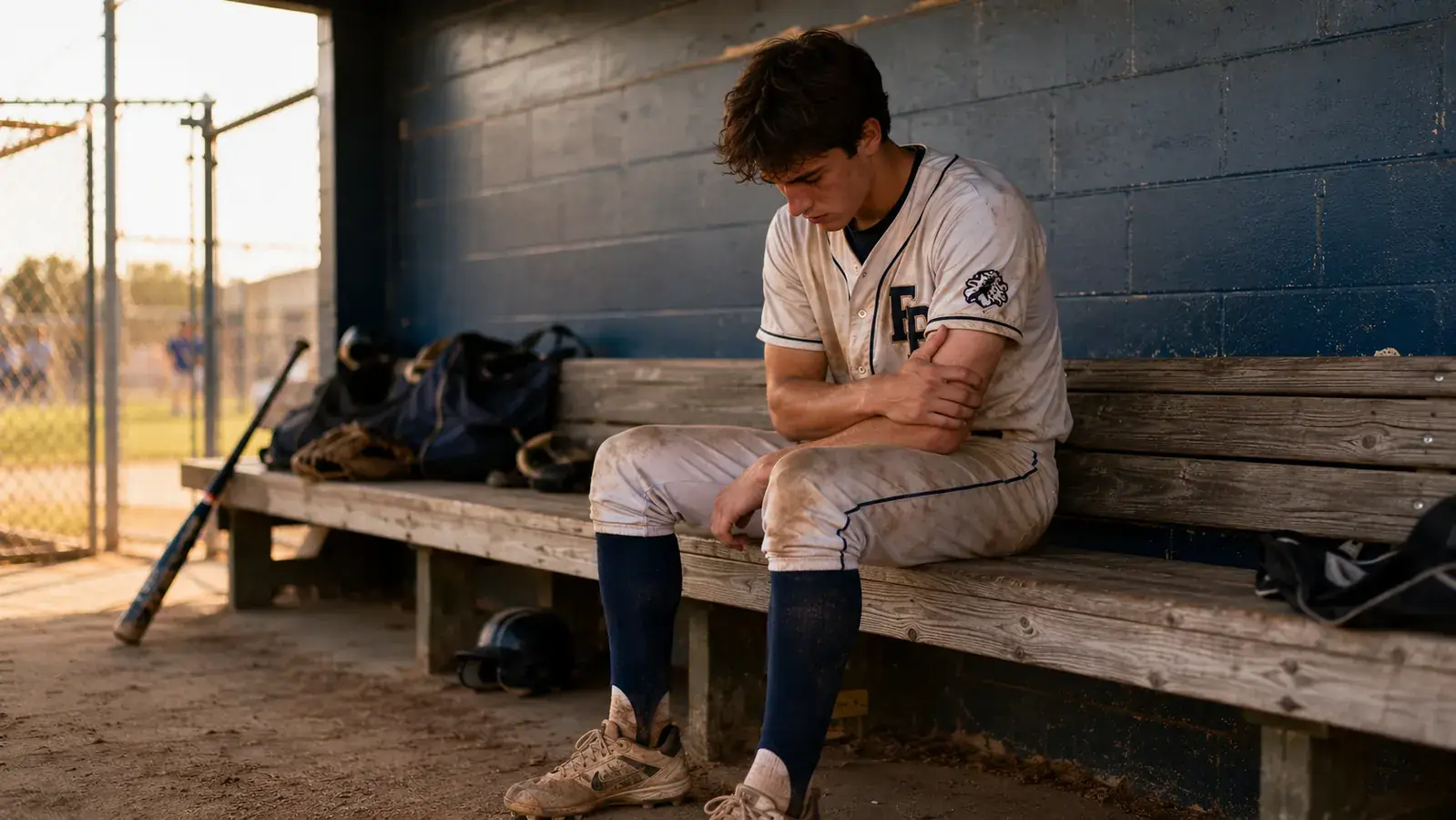
My son's medial elbow would puff up every Saturday after pitching. I thought it was normal. A physical therapist friend set me straight and recommended a proper ice wrap.
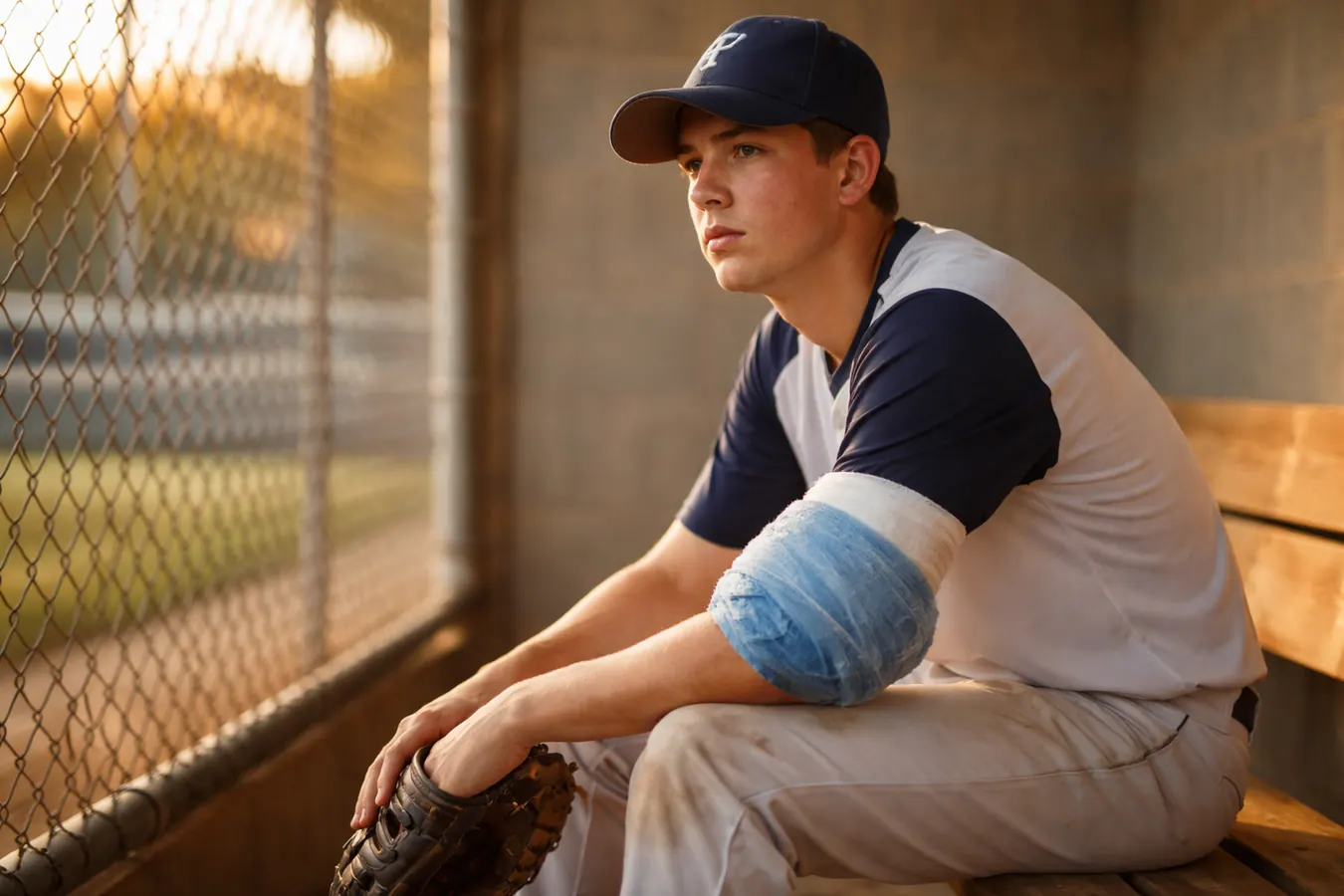
Timing, placement, duration, and compression are the four variables that determine whether post-outing icing actually helps a teen pitcher recover or just numbs the arm temporarily.
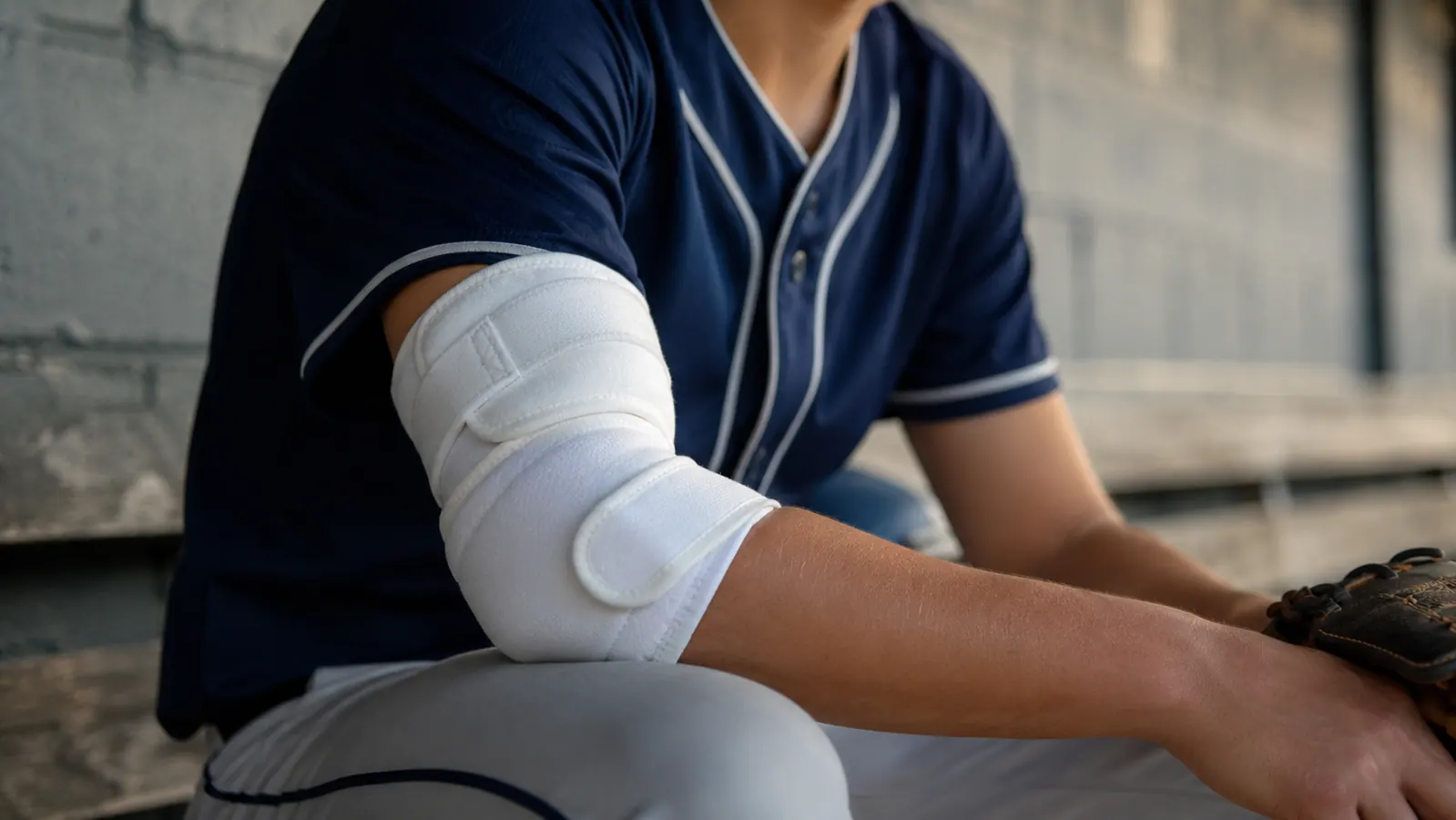
Great product, but there are sizing quirks, ice pack replacement gotchas, and one setup mistake that burns most parents the first time. The honest review after a full season.
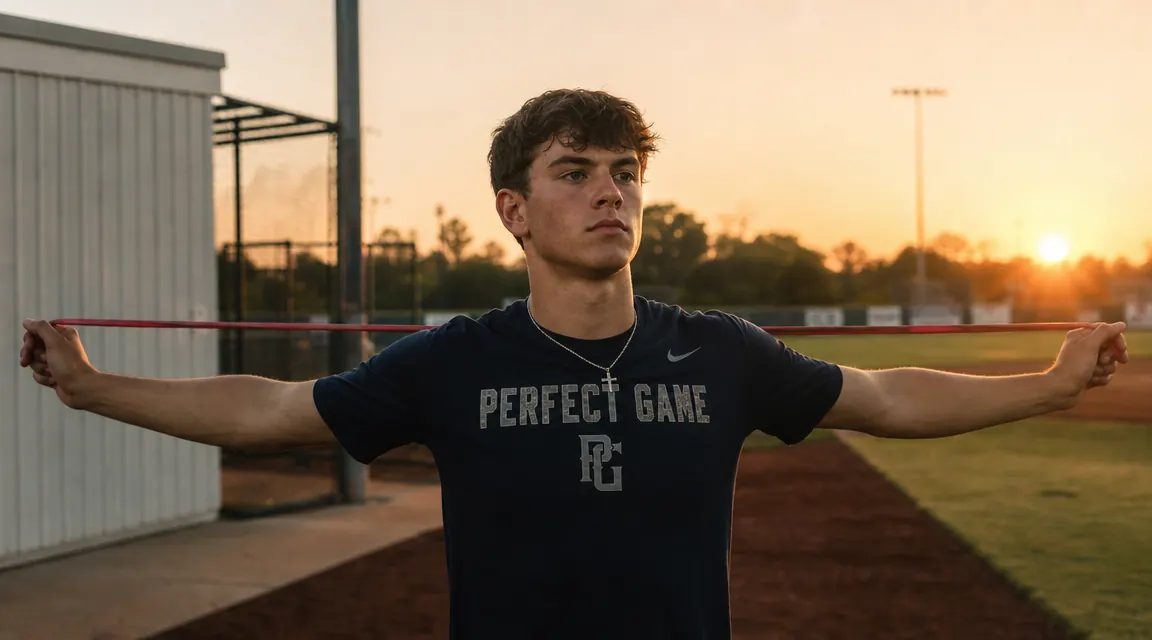
Twelve months of consistent daily use on my 17-year-old pitcher's arm. Here is the honest data, the setbacks, and what actually changed.
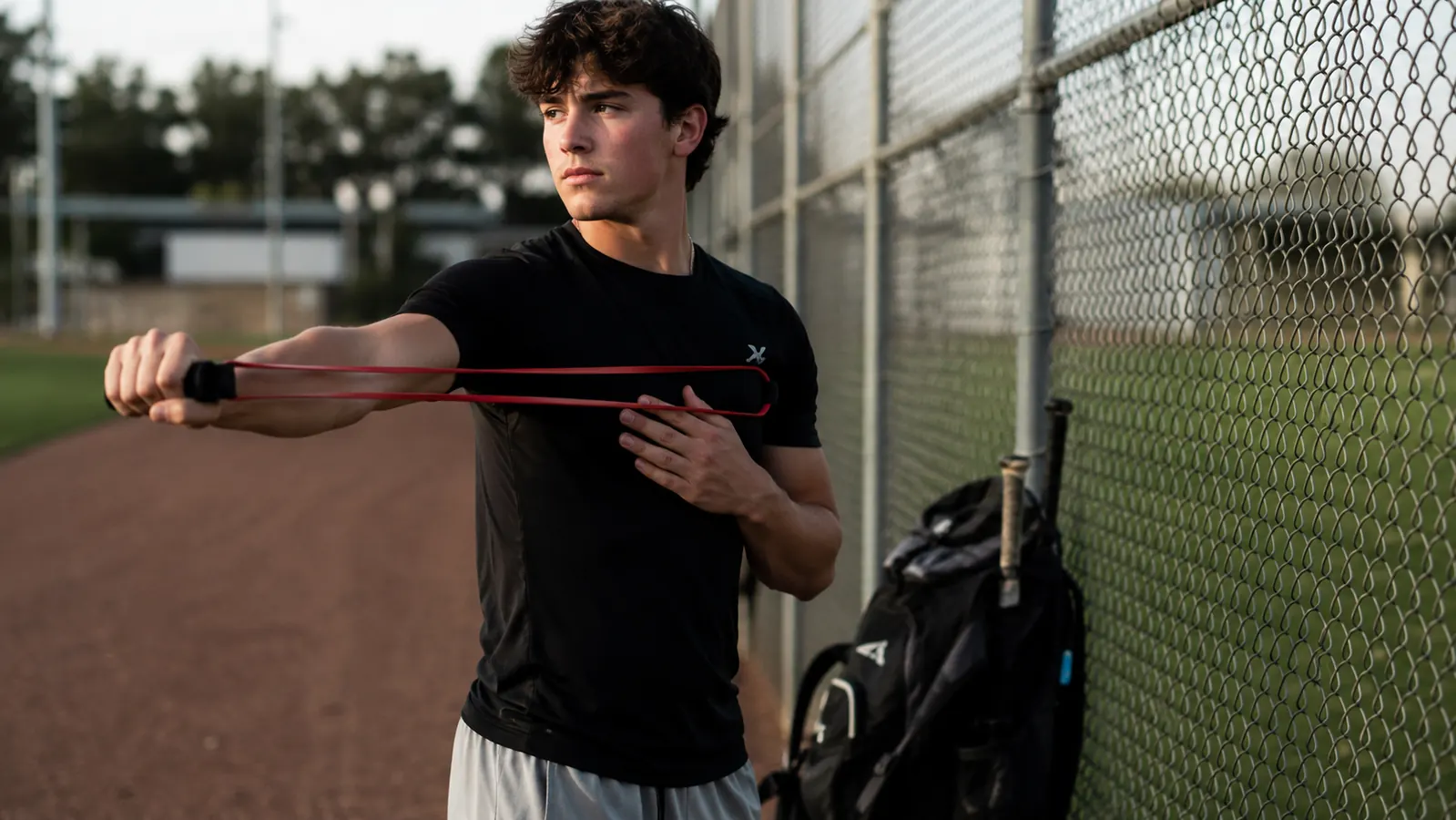
TheraBand is cheaper and sold at every pharmacy. J-Bands were designed specifically for baseball pitchers. One of these is a physical therapy supply. The other is a targeted arm-care system with a documented exercise protocol backed by decades of pitching-specific use.
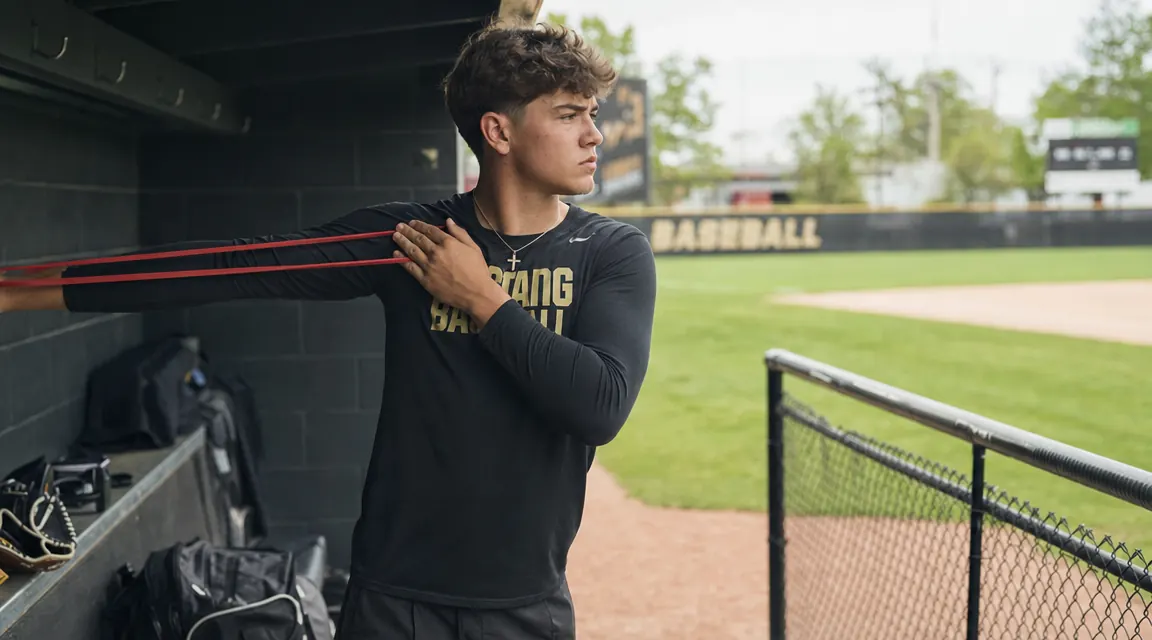
From rotator cuff activation before bullpen sessions to post-outing cool-down, here is the evidence-based case for making Jaeger J-Bands a non-negotiable part of your pitcher's daily arm care.
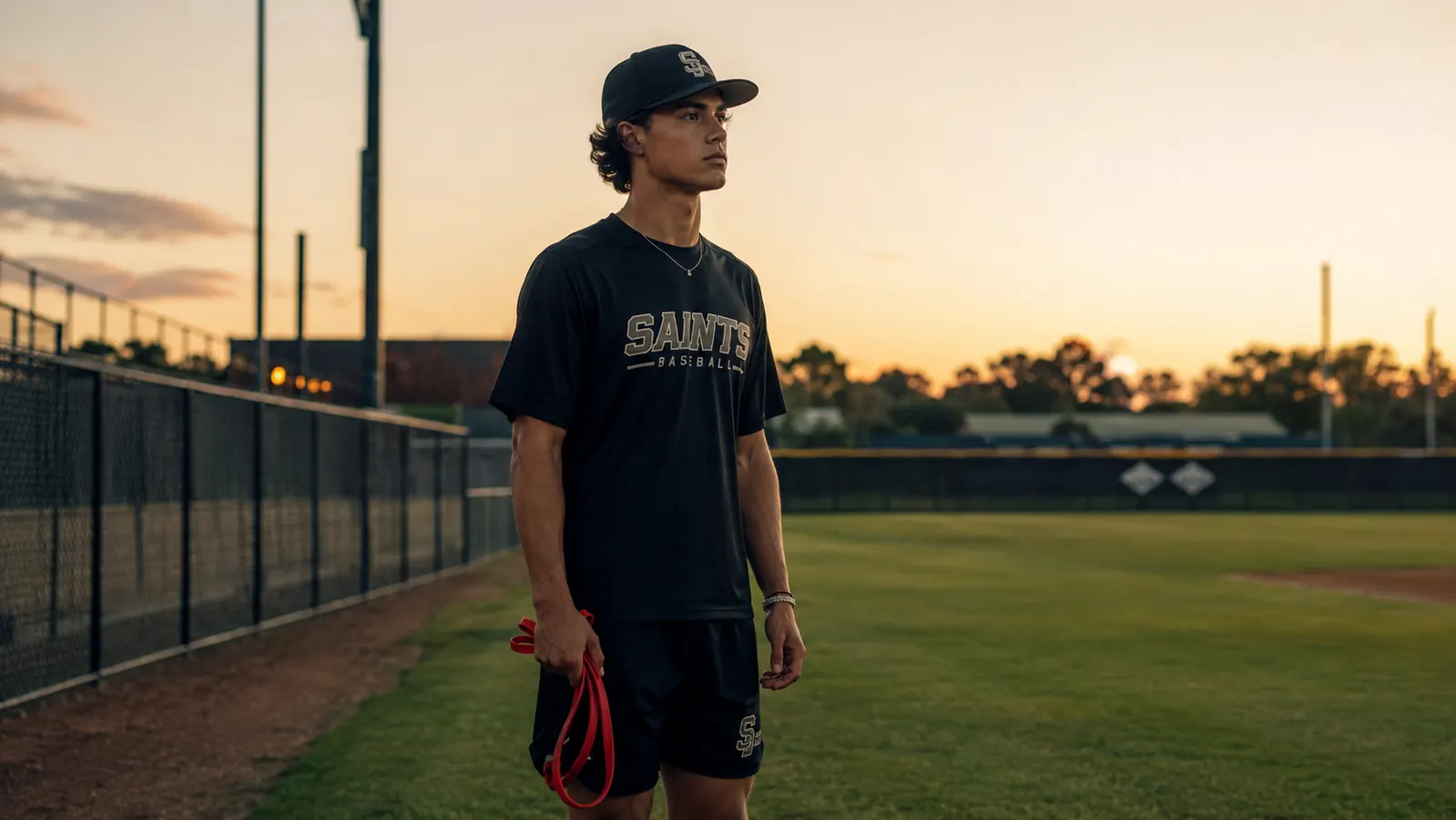
After my son's MRI showed early UCL stress, the surgeon gave us one non-negotiable homework assignment. Here is the specific band routine he handed us and what happened over the next six months.
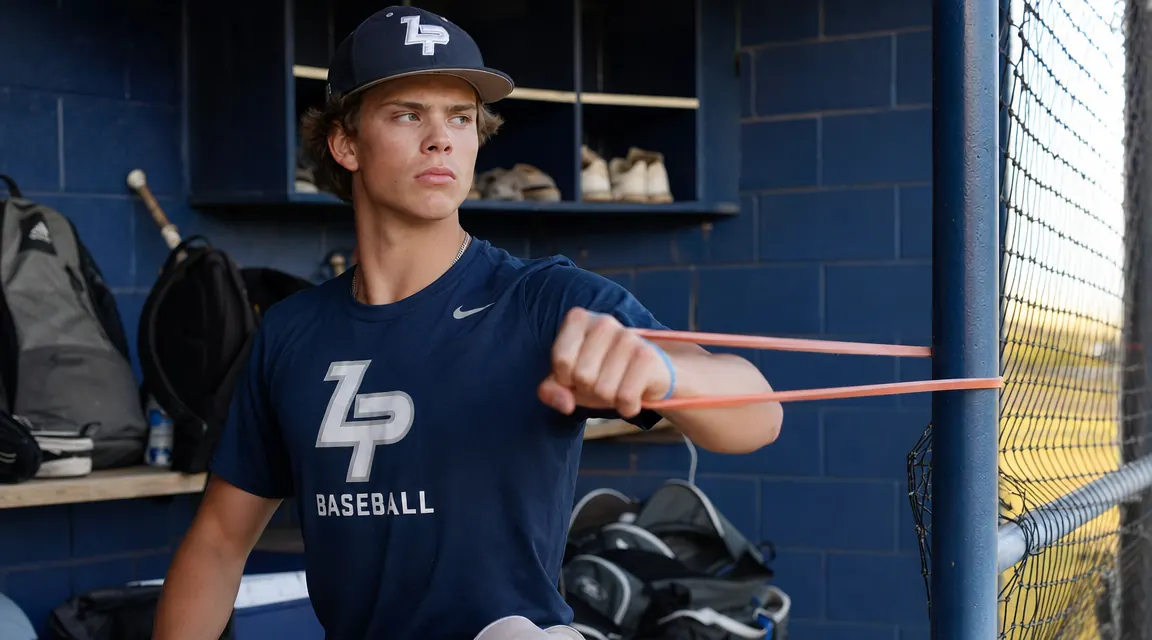
A step-by-step protocol for parents and players: the exact Jaeger J-Bands exercises, rep counts, and sequencing that sports physical therapists recommend for teen pitchers before and after throwing.
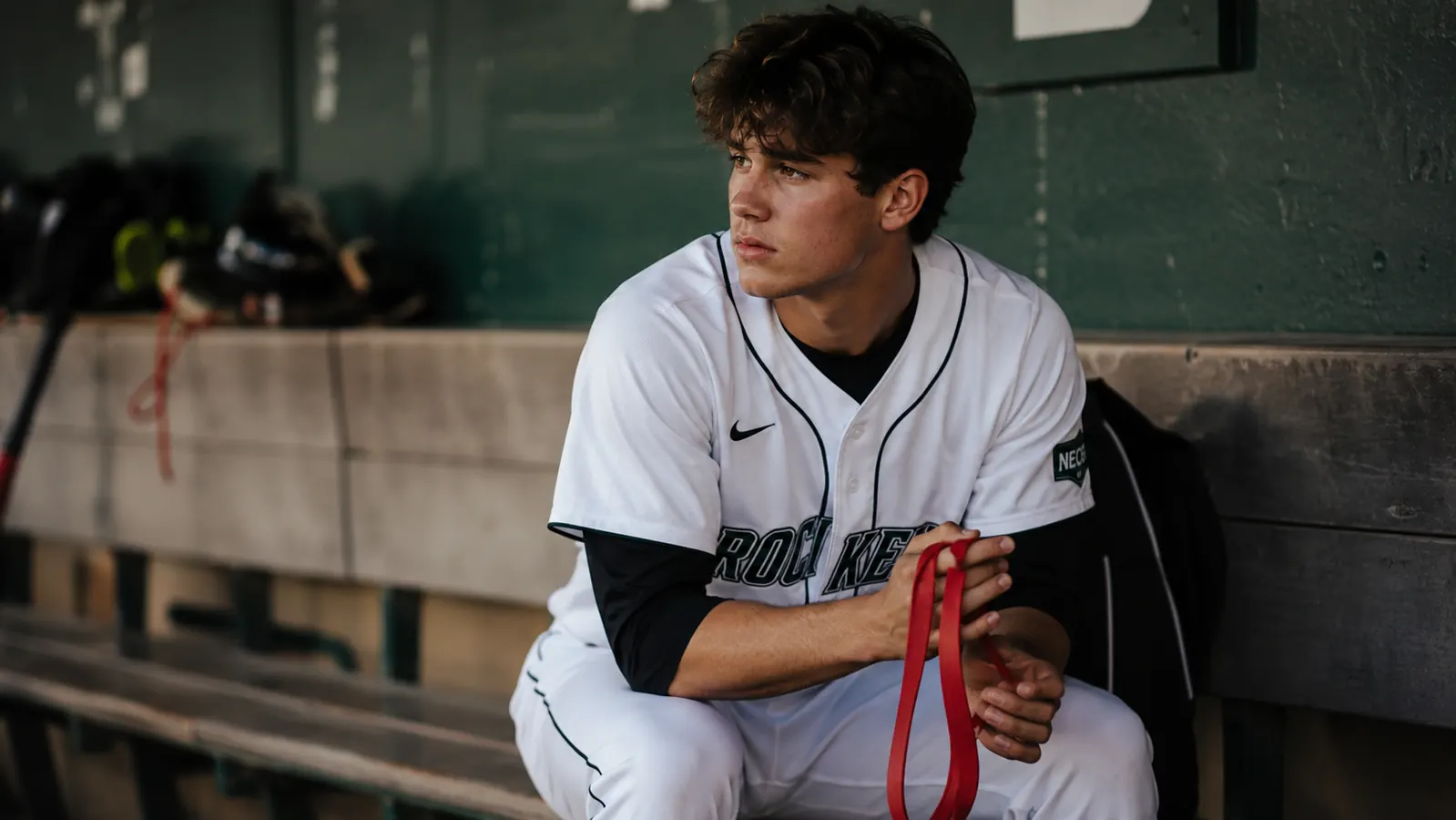
Most parents buy the J-Bands, hand them to their kid, and watch the kid quit after ten days. Here is why that happens and what to do instead.
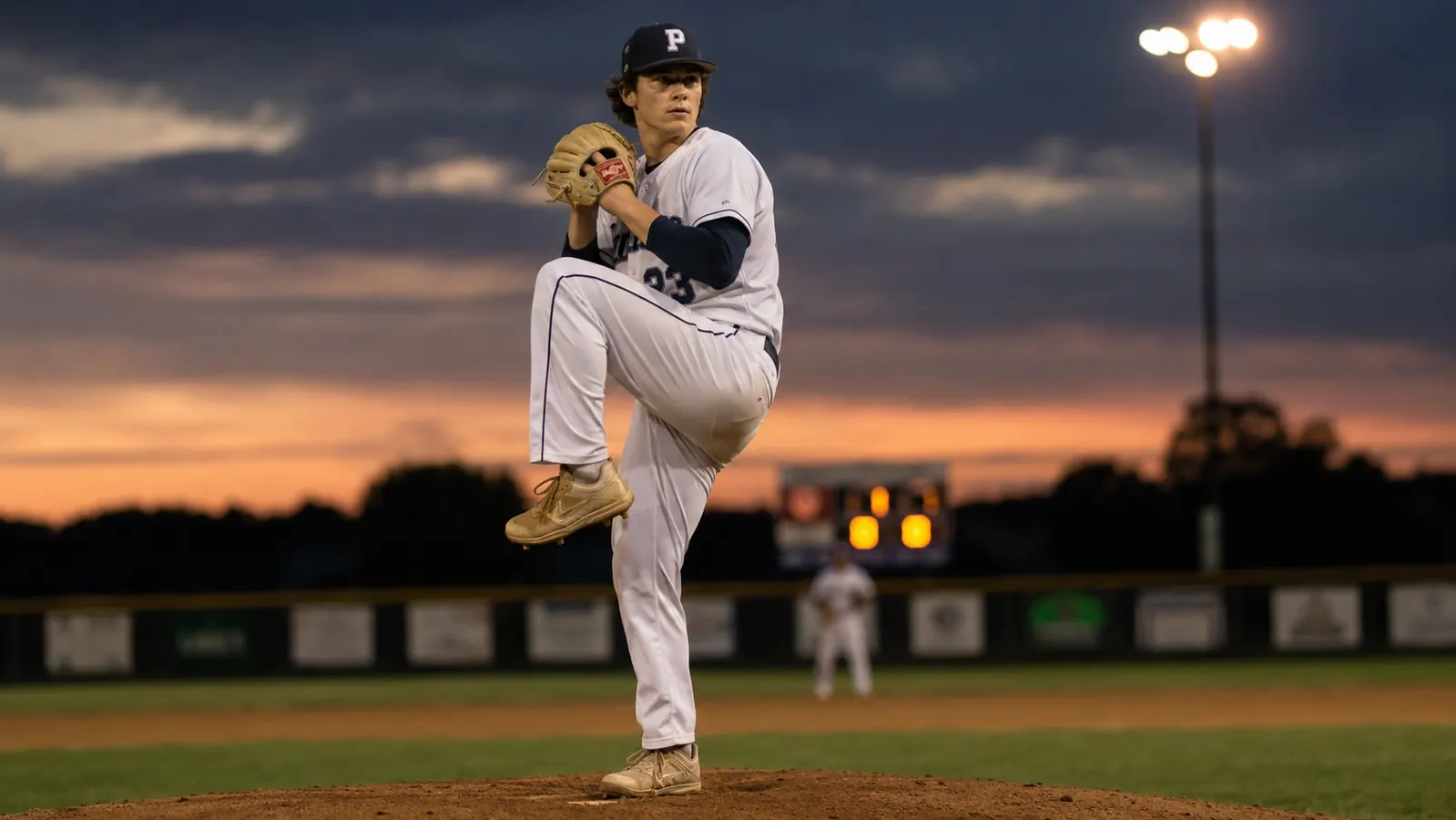
My son's MRI showed early UCL stress but not a full tear. His orthopedist said to support it and watch it. Six months later, here is what I tracked as a nurse and as his mom.
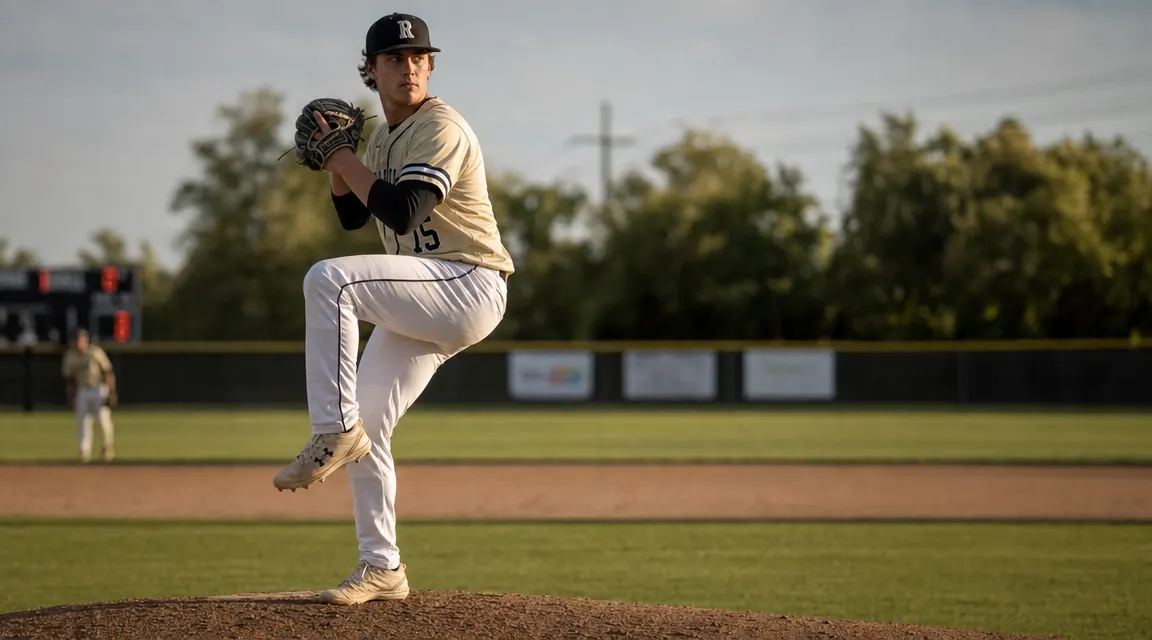
The short answer is that these two braces are not really competing for the same arm. Here is how to figure out which one your son actually needs before you spend money on the wrong one.
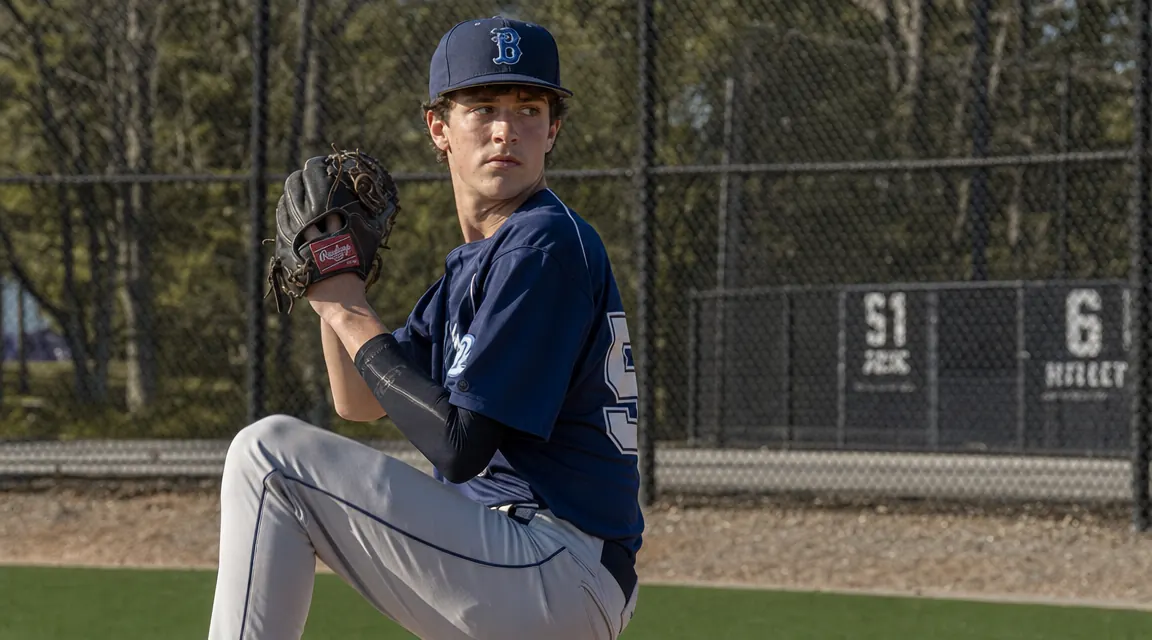
You do not have to wait for pain to start protecting the UCL. Evidence-based reasons a compression elbow sleeve belongs on your teen pitcher's arm right now.
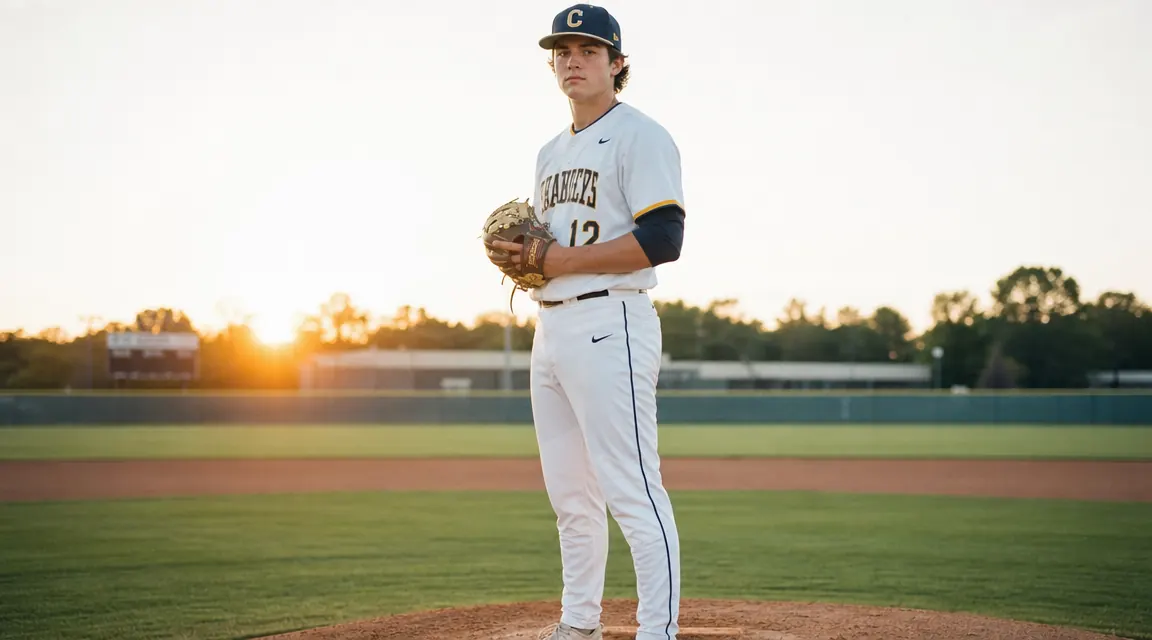
The fear of reinjury can hold a pitcher back just as much as the injury itself. Here is what finally helped my son trust his arm again.
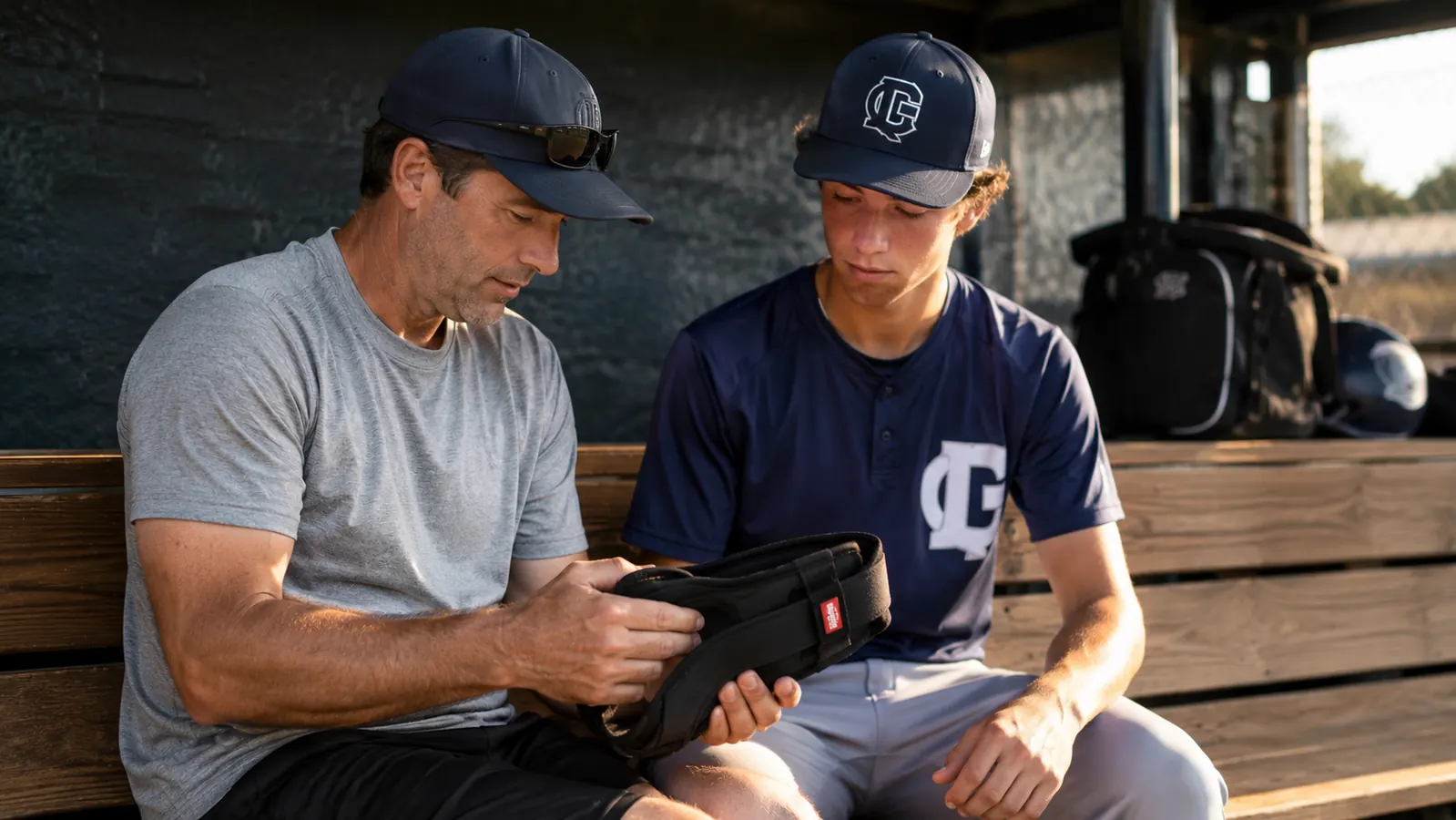
Compression sleeves, hinged braces, epicondyle straps , the elbow brace category is confusing for parents who are not orthopedists. Here is the decision framework I used as a nurse mom to match the right brace type to my son's specific situation.
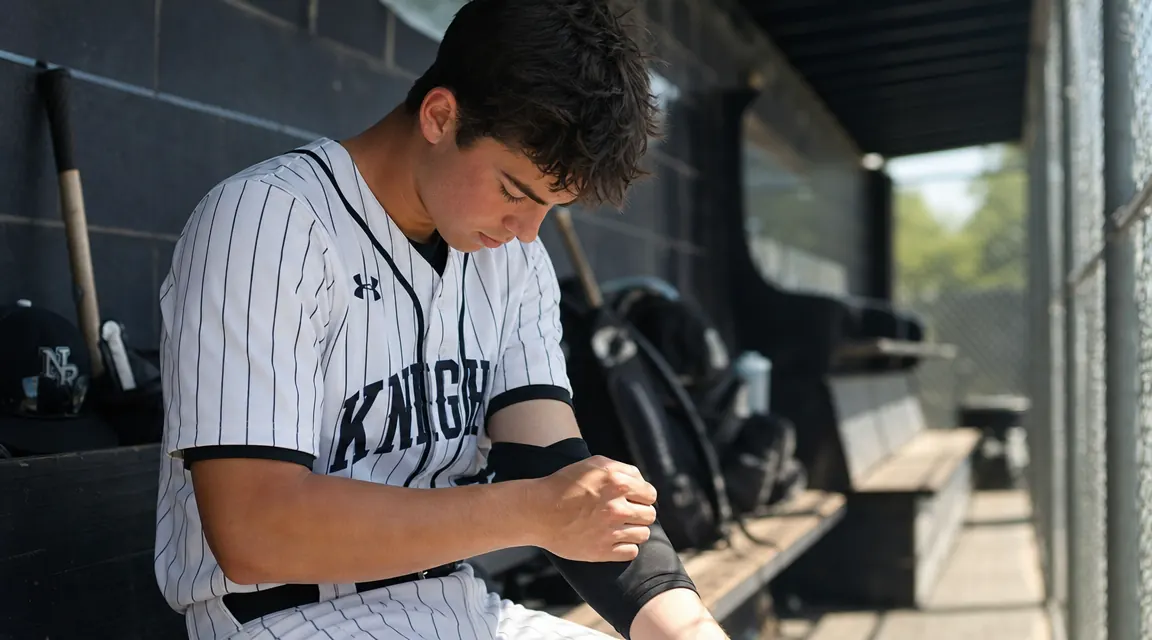
The McDavid elastic elbow sleeve is popular, affordable, and genuinely useful. It also has three quirks that will catch most parents off guard. Here is what I learned after a full high school season of watching my son pitch in one.
After six months of tracking soreness, recovery time, and warmth retention on my 17-year-old pitcher, here is what I actually found.
The EvoShield compression sleeve gets solid reviews, but there are things you only discover after the first wash cycle, the first cold morning game, and the first time your kid insists on sizing up.
My son Marcus pitches four to five days a week during travel ball season. After six months of consistent percussive therapy on his forearm and shoulder, here is the honest data from a nurse who kept notes.
The Q2 has nearly 15,000 five-star reviews. It also has a handful of usage rules that, if you skip them, can make a young pitcher's forearm soreness meaningfully worse. I found out the hard way.
My son Marcus pitched in 22 games this season. He iced after every single one. Here is what six months of data actually shows about swelling, recovery time, and fit.
Great product, but there are sizing quirks, ice pack replacement gotchas, and one setup mistake that burns most parents the first time. The honest review after a full season.
Twelve months of consistent daily use on my 17-year-old pitcher's arm. Here is the honest data, the setbacks, and what actually changed.
Most parents buy the J-Bands, hand them to their kid, and watch the kid quit after ten days. Here is why that happens and what to do instead.
My son's MRI showed early UCL stress but not a full tear. His orthopedist said to support it and watch it. Six months later, here is what I tracked as a nurse and as his mom.
The McDavid elastic elbow sleeve is popular, affordable, and genuinely useful. It also has three quirks that will catch most parents off guard. Here is what I learned after a full high school season of watching my son pitch in one.